

Guide to EMS muscle stimulator machine options in Fairfax
By Atlas Bodyworks | October 12, 2026
One person told me they walked out after their first visit with neck pain relieved after a long stretch of trying other routes. Electric Muscle Stimulation (EMS) covers a range of treatments that use electrical impulses to cause muscle contractions for recovery, strength, or cosmetic toning. Providers vary, including rehab-focused clinics, performance studios, and aesthetic centers, and session length, intensity, and goals should determine which EMS option you book. I’m based in Fairfax Crossroads near Kamp Washington and Fairfax Boulevard, and in this guide I’ll help you sort out the differences, what sessions feel like, how often people come in, and how to choose an electrical muscle stimulation machine approach that makes sense for your body and schedule.
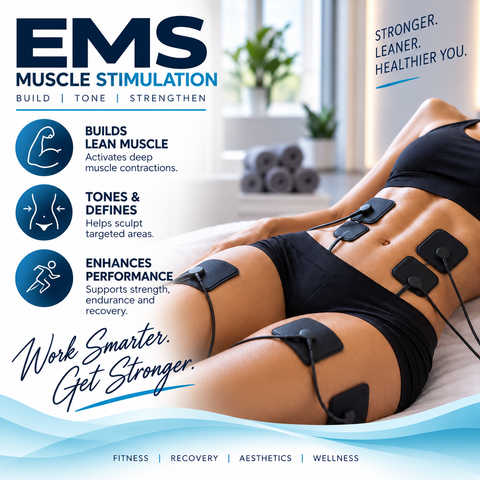
Quick takeaway: “EMS” can mean rehab-style electro stim therapy for pain and muscle re-education, or higher-output training-style muscle EMS machine sessions aimed at strength and visible muscle engagement. The right fit depends on your goal, your medical history, and how much intensity you actually want.
EMS isn’t one thing: rehab electro stim therapy vs strength-focused EMS sessions
Most people who search “muscle stimulator machine” aren’t looking for a gadget. They’re looking for a result and they’re usually short on time. In Northern Virginia, that often means trying to fit recovery or conditioning around work, school drop-offs, and the commute patterns that run through Route 50 and I-66.
Here’s the simplest way I explain it in the studio. Medical or rehab EMS is typically about pain relief, improving muscle activation after injury, and helping a stubborn area “turn back on.” Fitness EMS pushes harder and aims at performance and muscle conditioning. Aesthetic EMS focuses on visible toning and body contour goals. All three use electrical impulses, but the dosing, supervision, and plan look different.
If you’re a busy professional or a parent, EMS can be a practical option because sessions are compact and you can stack them with other recovery work when needed. I see a lot of people who want efficiency, not another open-ended plan.
2 EMS options I use at Atlas Bodyworks (and who they’re best for)
I keep my EMS menu focused. That way, you’re not guessing which machine is the “right” one. Below are the two EMS-focused options I run in Fairfax Crossroads, and how I typically match them to goals.
Lipomax Sculpt - Muscle Building
Lipomax Sculpt uses electromagnetic induction to trigger thousands of muscle contractions. Think of it like your muscles getting the same kind of “move now” signal they’d normally receive from your brain, but repeated at a level you can’t replicate with a typical workout.
Those micro-contractions add up over time. People usually choose this route when the goal is muscle building, more tone, and supporting fat reduction through increased muscle activity.
Best for: You want a muscle-focused boost for areas like core or glutes, and you’re willing to follow a short series so the changes have time to build.
FlexMax EMS
FlexMax EMS is what many people picture when they say “electrical muscle stimulation machine.” I place electrodes strategically, then I increase intensity based on what your body can comfortably handle that day. The goal is controlled contraction, not white-knuckle pain.
This option is popular for recovery and muscle activation, especially when you’re trying to support an area that feels weak, tight, or unpredictable after strain or overuse.
Best for: You want electro stim therapy style work for muscle re-education and recovery support, or you’re easing into EMS and want a clear, coached ramp-up.
Good to know: If you’re not sure which one fits, I’ll ask what you want to change first. “I want my core to wake up” is a different plan than “I want my waist and glutes to look tighter.”
What people actually notice: pain relief, energy, and visible changes
The most common pattern I hear is that people want to feel better fast, then they stay consistent once they realize it’s working. For some, that’s simple relief. I’ve worked with people who were dealing with stress tension, posture-related discomfort, and lingering pain, and they describe leaving sessions feeling like their body finally let go.
I also see a lot of “I feel ready for the week” energy after bodywork and machine sessions. That’s a real theme for my regulars who come in for recovery and maintenance, especially when they’re stacking services strategically and keeping it affordable.
And yes, visible changes matter too. People come in with body goals tied to real life deadlines. One client did a body wrap before a military tape test and told me they lost an inch off their abdominal circumference. That’s not an EMS claim specifically, but it’s a good example of how I think: match the tool to the goal, then run a plan that’s realistic for your timeline.
“I walked out first visit eliminating neck pain from stress, bad posture and arthritis that no doctor, massage therapist or physical therapist could cure in full year 2024 treatment.”
one of our returning clients
A realistic EMS timeline (no hype)
- First session: you’ll feel the contractions and usually some “worked” sensation afterward. Many people also notice they stand straighter or feel looser that day.
- 2 to 4 weeks: this is when consistency starts to show, either in how you move, how you recover, or early toning changes depending on the plan.
- 4 to 8+ weeks: strength and body composition goals tend to take time. I’d rather set that expectation upfront than promise instant “before and after” photos.
What an EMS visit with me looks like (20 to 45 minutes, start to finish)
When you come in, I start with a quick conversation that’s actually useful. I’ll ask what you want help with, what you’ve already tried, and what your schedule can handle. A plan that looks great on paper is worthless if you can’t fit it into a Fairfax commute week.
Then I screen for the big safety items and anything that changes how I dose EMS. Pacemakers and other implanted electrical devices are a no. Pregnancy is a no. Recent surgeries, active injuries, and new or unexplained symptoms mean we slow down and, in some cases, I’ll tell you to get medical clearance first.
Once we’re set, I place the electrodes or position you for the Lipomax system, then I ramp intensity gradually. I’m watching for clean contractions, your comfort, and your breathing. You’re not just “hooked up to a machine” and left alone.
Safety first: who should skip an electrical muscle stimulation machine session
EMS is a great tool when it’s dosed well. It’s also something I take seriously because more intensity is not always better. I’ll always screen you before we start, and I’ll adjust based on how you respond in real time.
- Skip EMS if you have a pacemaker or implanted electrical device.
- Skip EMS if you’re pregnant.
- Pause and ask first if you’ve had recent surgery, have a new injury, or you’re dealing with symptoms that haven’t been checked out yet.
- Tell me about metal implants, nerve sensitivity, or any area that feels “off.” That changes placement and intensity choices.
If your goal is pain relief or rehab support, I’ll keep the plan conservative and focused. If your goal is muscle building, I’ll still ramp you responsibly so you can repeat sessions safely.
Fairfax Crossroads scheduling: packages, pacing, and making EMS fit real life
Most EMS sessions land in that 20 to 45 minute window. People like it because it’s not a two-hour production. In Fairfax Crossroads, near Kamp Washington and the Fairfax Boulevard shopping area, it’s easy to pop in and be on your way.
Frequency depends on the target. For muscle building and toning goals, I usually suggest a short series close together, then we reassess. For recovery and pain support, some people like weekly sessions, while others do bursts during a flare-up and then shift to maintenance.
What to bring
Comfortable clothing you can move in. If we’re doing electrode-based EMS, I’ll tell you what makes placement easiest when you book.
Pricing reality
EMS pricing in the area varies a lot depending on the type of machine and supervision. Packages are often the better value when you’re doing a series, because consistency is what drives results.
Why people drive in for sessions with me (and why they stick around for years)
I’ve been doing this in Fairfax for 14 years, and I run Atlas Bodyworks with a simple approach. I listen, I explain what I’m doing, and I don’t push services you don’t want. People regularly tell me they appreciate that they can come in for recovery, pain support, and body maintenance without feeling sold.
I also keep a lot of options in one place, so you’re not bouncing between locations. Some clients come to me for muscle stim along with other machine-based recovery tools, and they like that we can build a short-term and long-term plan that fits their life.
I serve Fairfax, Oakton, Vienna, Merrifield, Annandale, and Centreville. If you’re near Fairfax Crossroads, Kamp Washington, or Fairfax Boulevard, you’re especially close for quick appointments.
If you want to keep reading first
Want help picking the right EMS option? Call or email me and tell me your goal in one sentence. I’ll point you toward the right session type, or I’ll tell you honestly if EMS isn’t the best next step.
Address: 3607 Chain Bridge Rd, Suite B, Fairfax, VA 22030 | Phone: +17035601122 | Email: info@atlasbodyworks.com
A quick note on referrals and “medical” EMS in Fairfax
You usually don’t need a medical referral to book an EMS session with me. If you’re coming in with an injury history, recent surgery, or something that’s still being diagnosed, let me know before we start. I’ll keep things conservative, and I may recommend you get clearance first. I’d rather do that than guess.